
Sadness in the Sparsile office today. Another indie publisher has bitten the dust. The Bookseller has just reported that Haunt Publishing is to close its doors, citing: rising costs, marketing difficulties and "other current challenges affecting indie presses".
I feel all the sympathy in the world. Every year, the prospects for staying afloat seem grimmer and grimmer. Small publishers everywhere are desperately feeling the squeeze as prices rise year on year in an ever more challenging market. One of the hardest things is knowing that the public regularly don’t realise what is going on. I’m not judging.
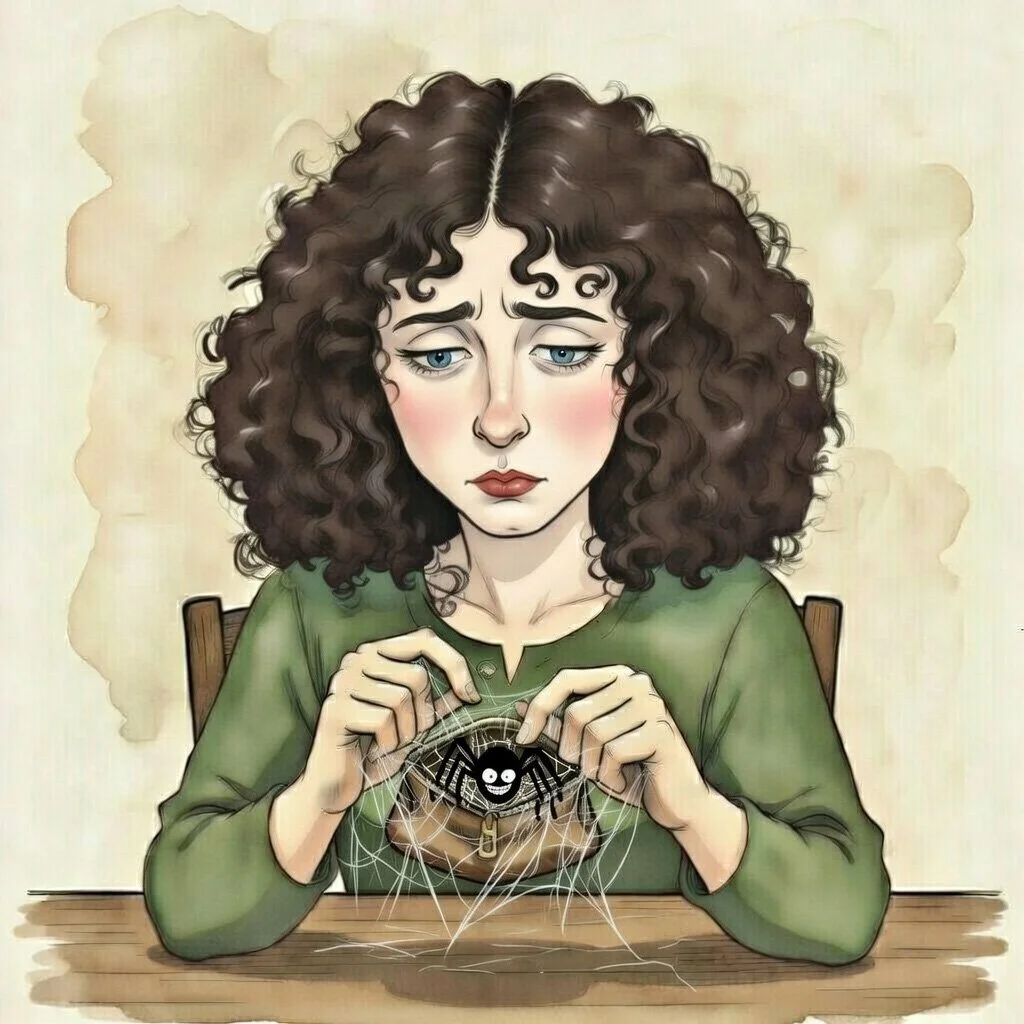
Before I became a publisher, I was just as guilty of tutting over the cost of books. I would shake my head wearily and reminisce about my schooldays where a paperback was 15p and a tempting 25p tome merited serious consideration “How can publishers justify these prices,” I would say to fellow bookshop customers and we would shake our heads wearily. Greedy publishers.
Sadly, now I know better. As I write this, a squirrel is hanging upside down by its toes trying to eat the nuts I put out for the birds. I feel for that squirrel. Because I’m hanging on by my toes too. It’s hard to compete as a small publisher We do not have funds to do giant print runs which mean that we miss out on volume discounts. As traditional publishers, we pay for all the costs of the book—editing, proofing, typesetting, cover design, marketing, distribution etc. all before seeing a penny in profit. In theory we should recoup our losses when the book sells. But here comes the kicker, very few books make it.
Some time ago I attended a talk by a leading publisher with our marketing manager, Jim Campbell. Now Jim and I disagree on this but I’m fairly certain he said that only one in ten books make their money back. Jim says it’s one in twenty. Let’s take my number as it’s kinder. Now remember, this isn’t the number of authors who are runaway successes. This is the number who have made their costs back.
Depressing, isn’t it? So who’s at fault? Is it the authors? Are they just not writing well enough? Or is it the publishers? Are they not trying hard enough? Of course, it’s neither. I regularly see excellent authors approaching us who have clearly put in exceptional efforts to produce their books. Obviously I can’t speak for all publishers, but any I know, work their hearts out trying to make their books successful. The problem lies elsewhere. As I said, small traditional publishers pay over the odds for printing, but then we are expected to offer the book distributors exorbitant discounts. At the end of the day we can be left with less than 50p margin on a book to pay for every other expense. Nor can we increase the cost of the book or rely on a decent profit from book sales.
This is partly due to the loss of the Net Book Agreement.
Broadly speaking, long, long ago publishing houses had the power to insist that they would only supply bookshops if the books were sold undiscounted at cover price. This system worked well and allowed even tiny imprints to compete. But in 1997, under pressure from the large chain bookstores, the Office of Fair Trading (no, the irony isn’t lost on me) ruled the Net Book Agreement illegal. This is what I refer to as the Dystopia of Loveliness. In short, it means a lofty ideal that has disastrous consequences when implemented in the real world.
In theory the Net Book Agreement was meant to be better for the consumer, breaking the artificially high cost of brooks. In practice the results were mixed. Supermarkets were suddenly able to offer bestsellers at fabulous discounts. But at what cost to the industry. Many indie bookshops were forced into closure unable to compete. And the effects were wider reaching. With the loss of financial stability, it becomes harder and harder for publishes (even big ones) to take a risk on a book that may not be commercially viable. I can recall the days when people said, “Oh, that author’s first few books were nothing special, but now they’re really into their stride.” It’s highly unlikely that any author would get that chance nowadays. Publishers, especially the small ones, simply cannot take that risk.
But isn’t it simply fairer? After all surely everyone has opened up the book market to free trading. Nope. Many countries in Europe have fixed book pricing or limited discounting, including, France, Germany, Spain, Italy and many more.
In summary, it’s bad for small booksellers; it’s bad for small publishers and it’s bad for authors who do not want to churn out formulistic, canned storylines.
So next time you pick up a book and groan at the greed of the publishers, spare a thought for those of us fighting to bring the strange, wonderful, uncommercial stories to your bookshelves.