
I have the dreaded email in my inbox. I know what it is without having to open it. I’ve been waiting for its appearance for days and now I’m avoiding reading it. On Monday I sent a new author a proof of the book cover we had completed. We were very proud of it, feeling that it brought out the core message of the book. Not only that, but we had employed some very difficult techniques to allow the central figure to appear encased in an iridescent bubble floating above a science fictional landscape.
We high-fived and felt impressed with ourselves. As I pressed the Send button on the email, I couldn’t wait to share the author’s joy.
On Tuesday, I was a little disappointed to check my email and find no response. Still, not everyone checks their email every day. Perhaps there had been a family emergency. Wednesday also remained curiously dry. By Friday I had that sinking feeling in my gut and began making excuses not to check my inbox.
On Saturday, an email from the author finally popped up. I made a strong cup of coffee before settling down to open it. He didn’t like it. It didn’t reflect the myriad of different stories and characters that were essential to the narrative. It was too commercial. (Seriously.) The one thing no debut author should worry about is being too commercial.
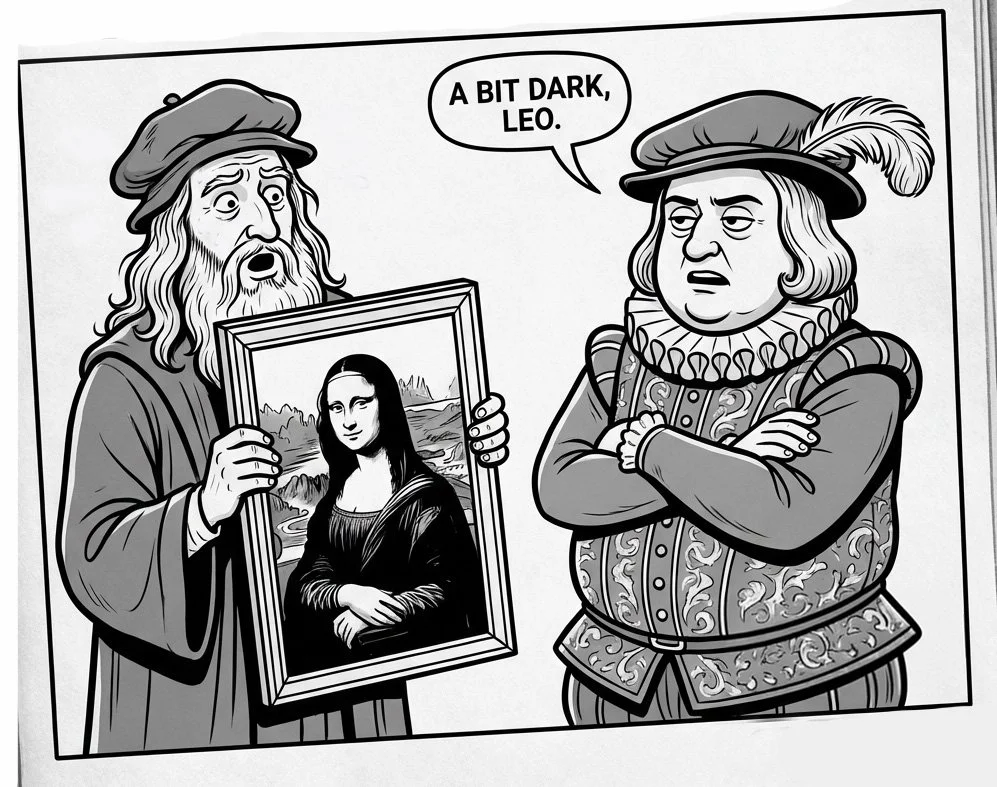
I emailed back explaining that the cover is a tease to draw the reader in. It can’t and shouldn’t reflect all the characters because it would become busy and unwieldy. Also, current preferences tend to show that audiences don’t like narrative characters to appear on the cover (our image was in shadow) as it interferes with the character forming in their imagination.
Back came the reply still in the negative. This is always a hard moment. After hours of work and expense (covers do not appear spontaneously for free) you have to face the fact that the author isn’t happy. Bigger publishers may be less flexible when it comes to author input, but as a small indie, we try to make the author as much part of the process as possible.
You may be asking why we didn’t just ask the author what he wanted. Actually, we do often use this method. But often as not, we are faced with a rabbit-in-the-headlights I don’t know response or with requests to lift images off the internet. Let’s be clear here. You cannot simply copy someone else’s image even if you are going to use it in an original way. Unless they say otherwise, images are not in the public domain and thus copyrighted. It is sometimes possible to buy the rights to images, but that adds an additional level of expense.
A lot goes into the production of a cover. Audiences change and so do fashions. Sometimes an author wants a cover that harks back to a nostalgic era, but their nostalgia may well be lost on the buying public who simply see it as old-fashioned. Authors also often suggest a plain black cover. These were popular in the nineties. Apart from the physical difficulties (black covers are prone to fingerprints and smudging) any modern cover is competing with millions of others. The place where most people will see it is unfortunately Amazon, where it will appear no bigger than a postage stamp. Black will simply fade into…well black.
Of course, publishers don’t always get it right. Even the Big Five (the publishers who dominate the market) get it wrong. A friend of mine was published by Penguin back in the eighties. Wanting to support him (and only the teensiest bit jealous) I headed off to buy it from a large chain store. Trouble was, I couldn’t find it. I searched by his name, by his title, even by calling on the ghost of Melvil Dewey and his decimal system…all to no avail. The book was nowhere to be found. At last I worked up the courage to ask an assistant (they were notoriously snooty in that particular shop) as to where I could find my friend’s title.
As I recall, her response was non-verbal. Giving me the kind of look I imagine a brain surgeon might give if you interrupted his operation to ask if he wanted to buy a lottery ticket, she pointed a finger at the table facing the door. I was astounded and humbled in equal measures. It was the first place I had looked, and had returned to it several times. I returned again.
This time I employed the method of touching each book and saying the author’s name in my head to exclude them. The glacial assistant was correct. The book was there right in the middle of the table. But somehow it was invisible to the roving eye. The cover had the amazing trick of seeming to depict nothing. It wasn’t grey and it wasn’t brown, but some indistinct colour in between (growb?). There was no clear pattern, only a light texturing. Think muddy path walked on too much. It vanished completely into the background, as if wearing Harry Potter’s invisibility cloak. I wondered if the artist had been previously employed designing camouflage for the British army.
The book did not do well, which was a shame because it was an excellent debut novel and deserved much more. How much was due to the cover’s notable imperceptibility, is impossible to say. It certainly didn’t help.
So, what will happen with our unhappy author? We will choke down our disappointment and try to work out a compromise that is closer to his vision. I remind myself that it was only the figure he didn’t like, which isn’t so bad. I recently had an author, who thanked me profusely for all the work that had gone into her cover, then asked if it was possible to change the figures, the background, the texture, the costumes, the pallette…oh, and she wasn’t keen on the font used for the title either…