Publishers are so greedy...

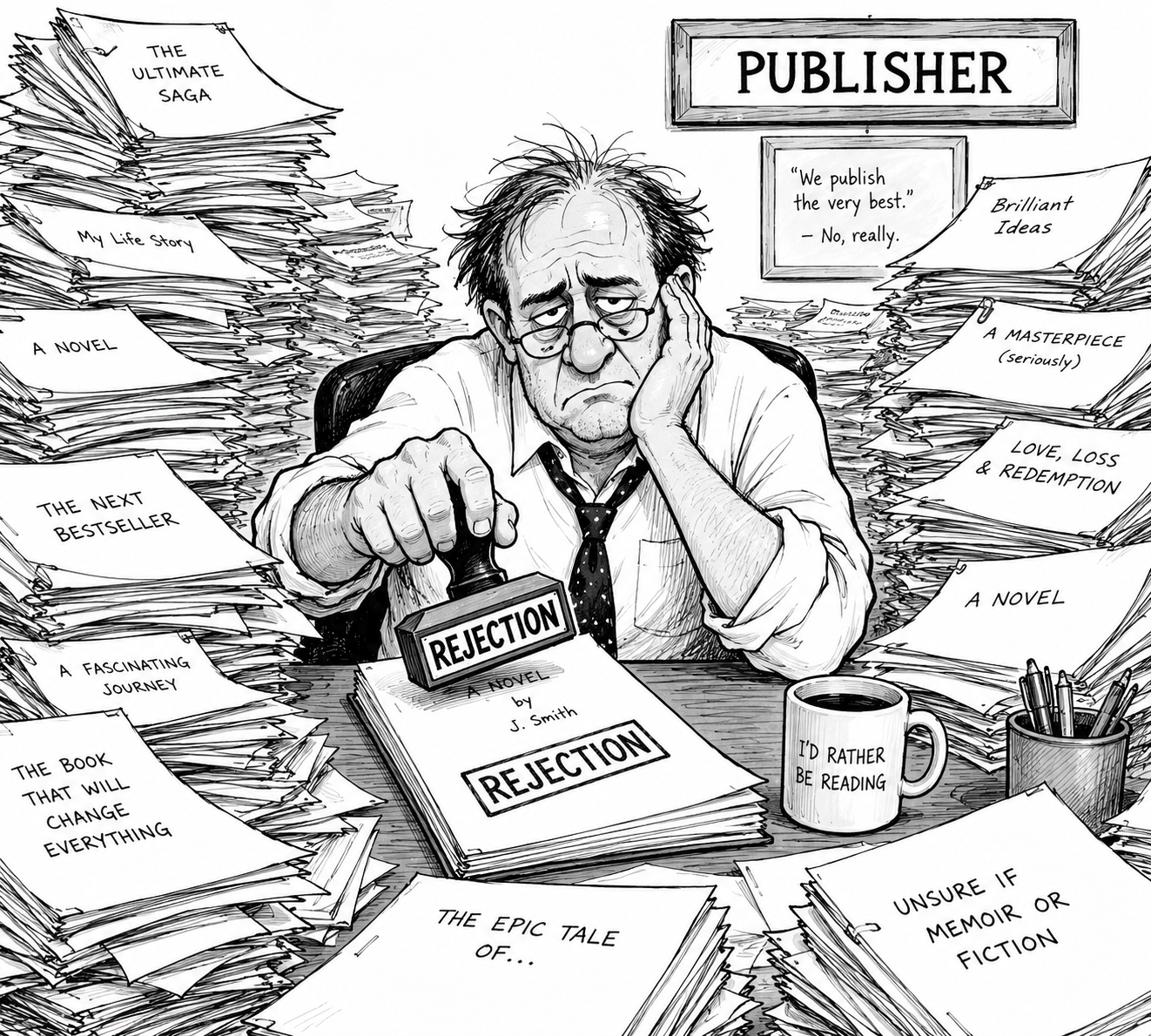
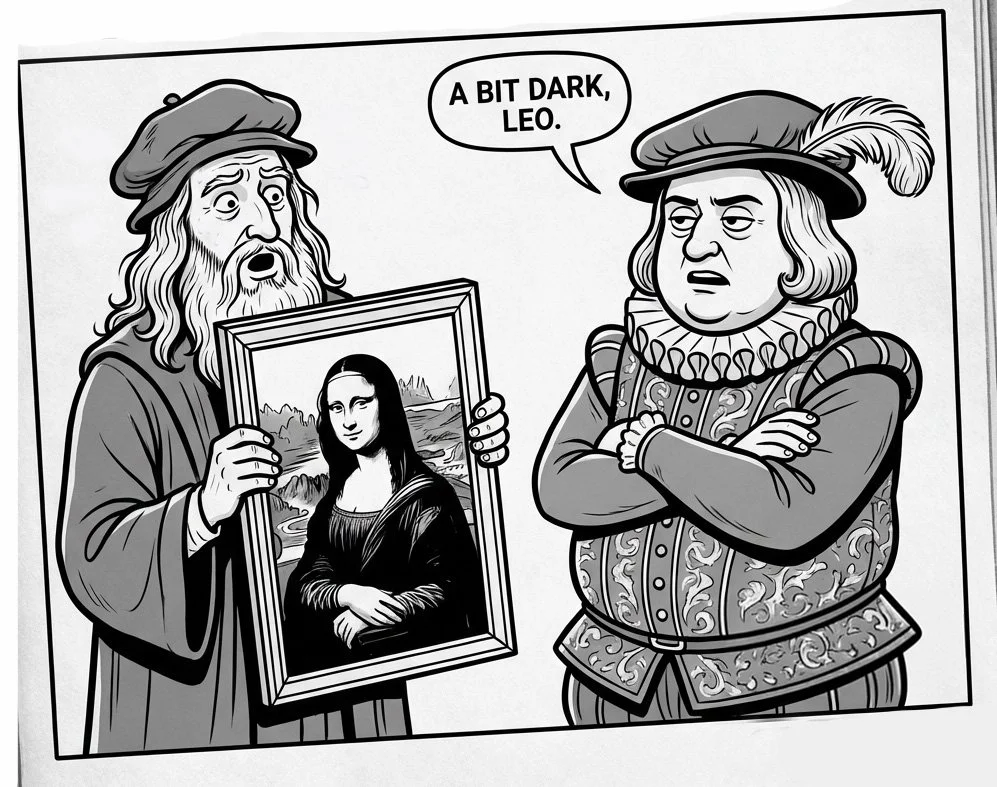
Sadness in the Sparsile office today. Another indie publisher has bitten the dust. The Bookseller has just reported that Haunt Publishing is to close its doors, citing: rising costs, marketing difficulties and "other current challenges affecting indie presses".

I feel all the sympathy in the world. Every year, the prospects for staying afloat seem grimmer and grimmer. Small publishers everywhere are desperately feeling the squeeze as prices rise year on year in an ever more challenging market. One of the hardest things is knowing that the public regularly don’t realise what is going on. I’m not judging.

Before I became a publisher, I was just as guilty of tutting over the cost of books. I would shake my head wearily and reminisce about my schooldays where a paperback was 15p and a tempting 25p tome merited serious consideration “How can publishers justify these prices,” I would say to fellow bookshop customers and we would shake our heads wearily. Greedy publishers.

Sadly, now I know better. As I write this, a squirrel is hanging upside down by its toes trying to eat the nuts I put out for the birds. I feel for that squirrel. Because I’m hanging on by my toes too. It’s hard to compete as a small publisher We do not have funds to do giant print runs which mean that we miss out on volume discounts. As traditional publishers, we pay for all the costs of the book—editing, proofing, typesetting, cover design, marketing, distribution etc. all before seeing a penny in profit. In theory we should recoup our losses when the book sells. But here comes the kicker, very few books make it.

Some time ago I attended a talk by a leading publisher with our marketing manager, Jim Campbell. Now Jim and I disagree on this but I’m fairly certain he said that only one in ten books make their money back. Jim says it’s one in twenty. Let’s take my number as it’s kinder. Now remember, this isn’t the number of authors who are runaway successes. This is the number who have made their costs back.

Depressing, isn’t it? So who’s at fault? Is it the authors? Are they just not writing well enough? Or is it the publishers? Are they not trying hard enough? Of course, it’s neither. I regularly see excellent authors approaching us who have clearly put in exceptional efforts to produce their books. Obviously I can’t speak for all publishers, but any I know, work their hearts out trying to make their books successful. The problem lies elsewhere. As I said, small traditional publishers pay over the odds for printing, but then we are expected to offer the book distributors exorbitant discounts. At the end of the day we can be left with less than 50p margin on a book to pay for every other expense. Nor can we increase the cost of the book or rely on a decent profit from book sales.

This is partly due to the loss of the Net Book Agreement.

Broadly speaking, long, long ago publishing houses had the power to insist that they would only supply bookshops if the books were sold undiscounted at cove price. This system worked well and allowed even tiny imprints to compete. But in 1997, under pressure from the large chain bookstores, the Office of Fair Trading (no, the irony isn’t lost on me) ruled the Net Book Agreement illegal. This is what I refer to as the Dystopia of Loveliness. In short, it means a lofty ideal that has disastrous consequences when implemented in the real world.

In theory the Net Book Agreement was meant to be better for the consumer, breaking the artificially high cost of brooks. In practice the results were mixed. Supermarkets were suddenly able to offer bestsellers at fabulous discounts. But at what cost to the industry. Many indie bookshops were forced into closure unable to compete. And the effects were wider reaching. With the loss of financial stability, it becomes harder and harder for publishes (even big ones) to take a risk on a book that may not be commercially viable. I can recall the days when people said, “Oh, that author’s first few books were nothing special, but now they’re really into their stride.” It’s highly unlikely that any author would get that chance nowadays. Publishers, especially the small ones, simply cannot take that risk.

But isn’t it simply fairer? After all surely everyone has opened up the book market to free trading. Nope. Many countries in Europe have fixed book pricing or limited discounting, including, France, Germany, Spain, Italy and many more.

In summary, it’s bad for small booksellers; it’s bad for small publishers and it’s bad for authors who do not want to churn out formulistic, canned storylines.

So next time you pick up a book and groan at the greed of the publishers, spare a thought for those of us fighting to bring the strange, wonderful, uncommercial stories to your bookshelves.

Judging a book by its cover...

I have the dreaded email in my inbox. I know what it is without having to open it. I’ve been waiting for its appearance for days and now I’m avoiding reading it. On Monday I sent a new author a proof of the book cover we had completed. We were very proud of it, feeling that it brought out the core message of the book. Not only that, but we had employed some very difficult techniques to allow the central figure to appear encased in an iridescent bubble floating above a science fictional landscape.

We high-fived and felt impressed with ourselves. As I pressed the Send button on the email, I couldn’t wait to share the author’s joy.

On Tuesday, I was a little disappointed to check my email and find no response. Still, not everyone checks their email every day. Perhaps there had been a family emergency. Wednesday also remained curiously dry. By Friday I had that sinking feeling in my gut and began making excuses not to check my inbox.

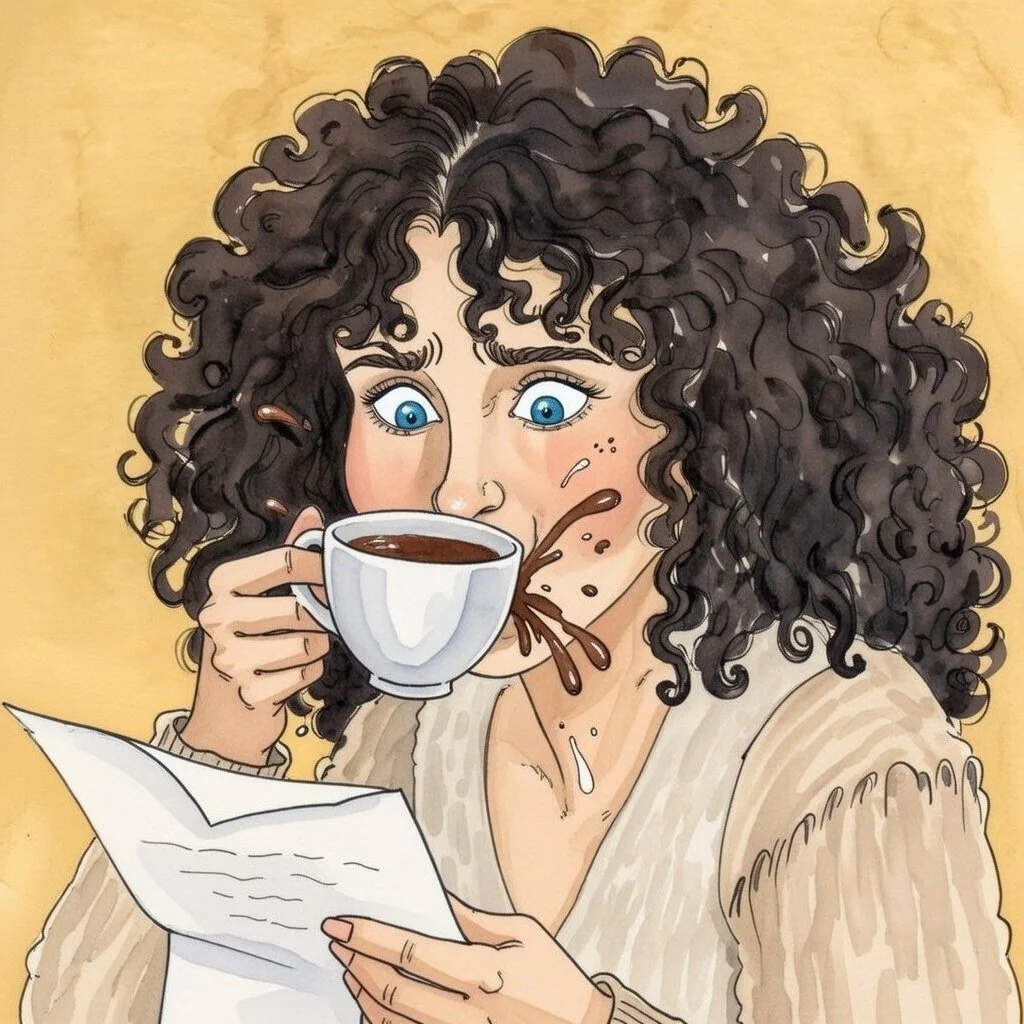
On Saturday, an email from the author finally popped up. I made a strong cup of coffee before settling down to open it. He didn’t like it. It didn’t reflect the myriad of different stories and characters that were essential to the narrative. It was too commercial. (Seriously.) The one thing no debut author should worry about is being too commercial.

I emailed back explaining that the cover is a tease to draw the reader in. It can’t and shouldn’t reflect all the characters because it would become busy and unwieldy. Also, current preferences tend to show that audiences don’t like narrative characters to appear on the cover (our image was in shadow) as it interferes with the character forming in their imagination.

Back came the reply still in the negative. This is always a hard moment. After hours of work and expense (covers do not appear spontaneously for free) you have to face the fact that the author isn’t happy. Bigger publishers may be less flexible when it comes to author input, but as a small indie, we try to make the author as much part of the process as possible.

You may be asking why we didn’t just ask the author what he wanted. Actually, we do often use this method. But often as not, we are faced with a rabbit-in-the-headlights I don’t know response or with requests to lift images off the internet. Let’s be clear here. You cannot simply copy someone else’s image even if you are going to use it in an original way. Unless they say otherwise, images are not in the public domain and thus copyrighted. It is sometimes possible to buy the rights to images, but that adds an additional level of expense.

A lot goes into the production of a cover. Audiences change and so do fashions. Sometimes an author wants a cover that harks back to a nostalgic era, but their nostalgia may well be lost on the buying public who simply see it as old-fashioned. Authors also often suggest a plain black cover. These were popular in the nineties. Apart from the physical difficulties (black covers are prone to fingerprints and smudging) any modern cover is competing with millions of others. The place where most people will see it is unfortunately Amazon, where it will appear no bigger than a postage stamp. Black will simply fade into…well black.

Of course, publishers don’t always get it right. Even the Big Five (the publishers who dominate the market) get it wrong. A friend of mine was published by Penguin back in the eighties. Wanting to support him (and only the teensiest bit jealous) I headed off to buy it from a large chain store. Trouble was, I couldn’t find it. I searched by his name, by his title, even by calling on the ghost of Melvil Dewey and his decimal system…all to no avail. The book was nowhere to be found. At last I worked up the courage to ask an assistant (they were notoriously snooty in that particular shop) as to where I could find my friend’s title.

As I recall, her response was non-verbal. Giving me the kind of look I imagine a brain surgeon might give if you interrupted his operation to ask if he wanted to buy a lottery ticket, she pointed a finger at the table facing the door. I was astounded and humbled in equal measures. It was the first place I had looked, and had returned to it several times. I returned again.

This time I employed the method of touching each book and saying the author’s name in my head to exclude them. The glacial assistant was correct. The book was there right in the middle of the table. But somehow it was invisible to the roving eye. The cover had the amazing trick of seeming to depict nothing. It wasn’t grey and it wasn’t brown, but some indistinct colour in between (growb?). There was no clear pattern, only a light texturing. Think muddy path walked on too much. It vanished completely into the background, as if wearing Harry Potter’s invisibility cloak. I wondered if the artist had been previously employed designing camouflage for the British army.

The book did not do well, which was a shame because it was an excellent debut novel and deserved much more. How much was due to the cover’s notable imperceptibility, is impossible to say. It certainly didn’t help.

So, what will happen with our unhappy author? We will choke down our disappointment and try to work out a compromise that is closer to his vision. I remind myself that it was only the figure he didn’t like, which isn’t so bad. I recently had an author, who thanked me profusely for all the work that had gone into her cover, then asked if it was possible to change the figures, the background, the texture, the costumes, the pallette…oh, and she wasn’t keen on the font used for the title either…

Size does matter...

Size does matter…

I have a new submission on my desk—actually I have about six dozen, but that’s another story. The author seems eager and the novel seems interesting. There’s just one stumbling block: it’s 175,000 words long. It’s too long.

Now the moment I post anything on limiting the size of manuscripts our social media channels are generally inundated with cries of horror. You can’t put a limit on art! I get the point. In the shining abstract world of pure art, I agree that an artist should be able to pursue their muse as far as it runs. Trouble is, we don’t live in that world.

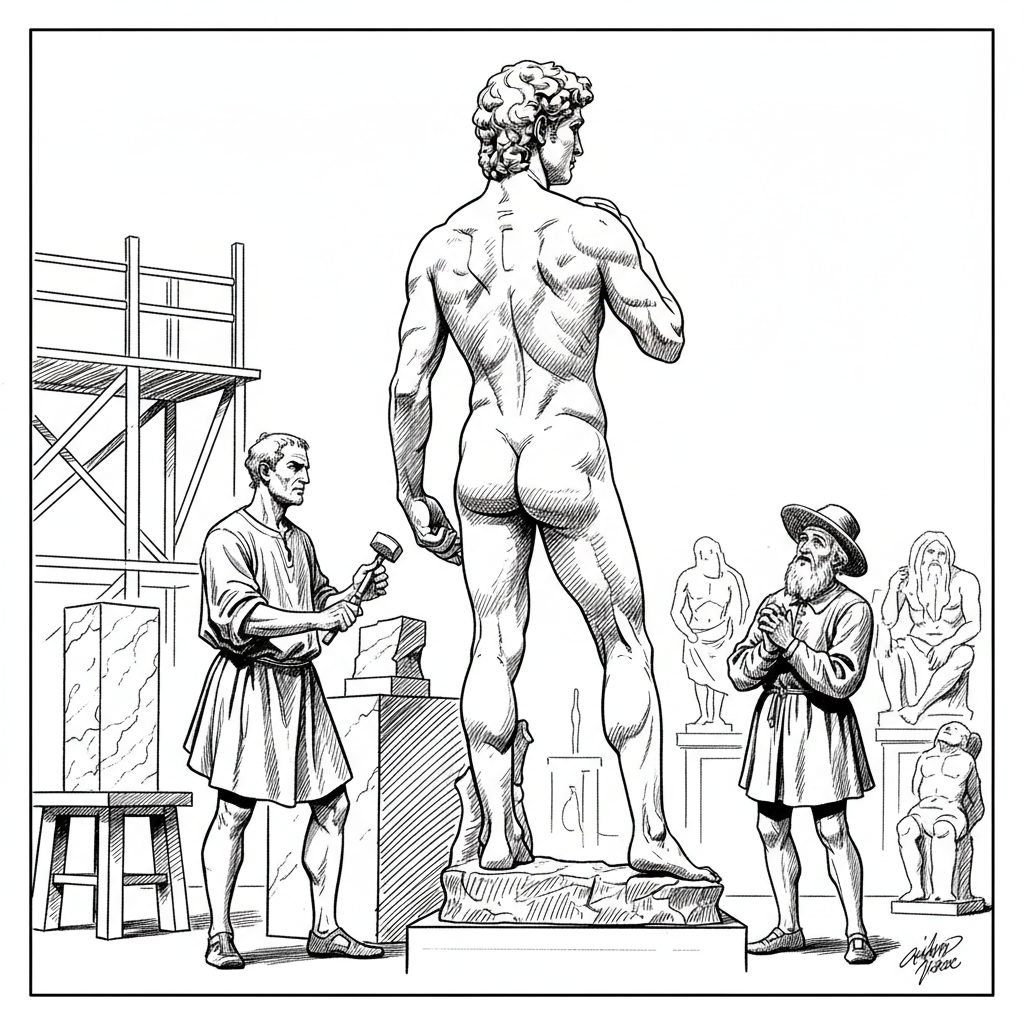
“It’s easy. I just chip away the bits that don’t look like him.”

For some reason, creative writing circles seem to abound with romantic and impractical ideas of what it means to be a writer. Perhaps it is the plethora of Hollywood movies—from Midnight in Paris to Shakespeare in Love—which help fuel these misconceptions. At the same time, publishing as an industry remains astonishingly opaque to new writers—even experienced writers sometimes expect things that seem naïve, such as including the lyrics for a copyrighted song in their manuscript.

The world of publishing and the world of creative writing overlap, but there are massive differences. Creative writing is still the pursuit of a human individual—give or take the odd over ambitious predictive text system. Publishing is a business. Your novel may be fuelled by imagination. A publisher’s world is fuelled by money. But nobody likes to say so. Somewhat like the mores of Victorian high society, talking about money seems vulgar when compared to the lofty world of art. How can a publisher even think about budget when they have the opportunity to nurture talent?

Well, the sad fact is that there won’t be any nurturing talent if the publisher is broke. A business has to meet its costs, staff wages, printing, equipment, software hire, marketing budgets, travel expenses, cover design, affiliations etc, etc. In addition, the cost of paper has been skyrocketing since 2021. (We took a decision to keep our printing in the UK, which means we pay more.) And you can no longer purchase the necessary software, but are forced to hire it on a monthly basis. As always the small houses feel it most. Unable to fund gigantic print runs or mass marketing campaigns, they lose the discounts of bulk orders.

But before this blog turns into a sob story for publishers—or at least before it turns entirely into one; I can feel my lip beginning to tremble— there are other factors to consider. Genres have preferred lengths. Romance, for example, usually sits between 70,000-90,000 words. If you approach a publisher who specializes in that area with a 200,000 word long manuscript, you are making yourself stand out in all the wrong ways.

Another consideration to take into account is whether you are a debut author. A new author is competing against appalling odds at the moment, and one of the main factors is how busy everyone is. Thanks to social media and sites, such as YouTube and Tik Tok, attention spans are becoming shorter. Committing to reading a book by an author you’ve never heard of is a gamble, and it isn’t hard to see that a slim volume will have the competitive edge. Of course, smaller is better is not an absolute rule. 50,000 words is dangerously close to novella length and lacking the content to work as a full-blown narrative. Broadly speaking, a new writer won’t go wrong keeping the manuscript between 80,000-100,000 words.

When it comes down to it, writing as much as you like may seem liberating, but it often allows a narrative to wander and become diffuse. I am no stranger to this. My second novel, Simon’s Wife, was 165,000 words long and I was horrified when told to cut 30,000 words out of it. How could I possibly do it? I prided myself on being a compact writer, every word, every comma agonized over. In fact, on examining the text, there was a lot that could be removed. At the end of the day, the novel was tighter and better paced, and I had learned a lesson. There is a case to be made that what you leave out of a novel is just as important as what you put in.

Is that an advance in your pocket or are you just happy to see me…

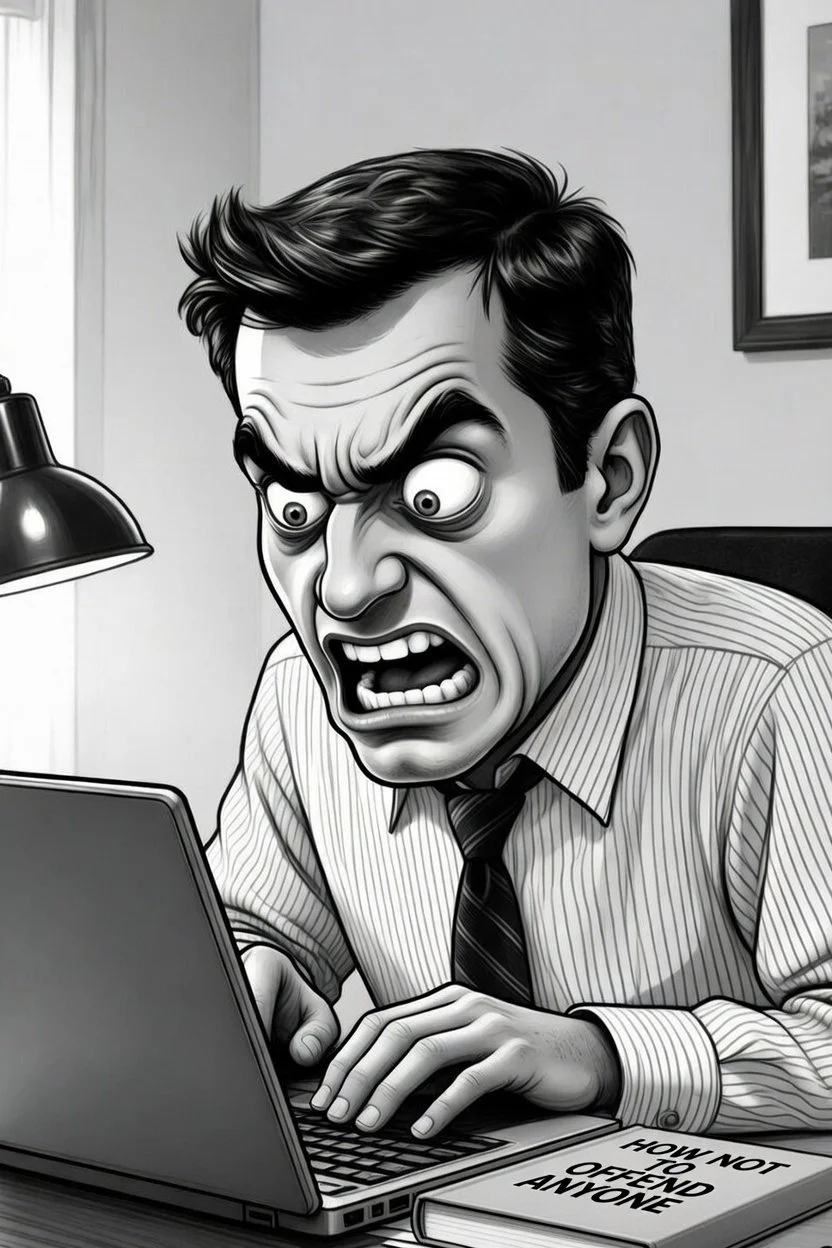
I am looking at a letter sent to me by an author who wants to know how big an advance I am going to give them on their (as yet unseen) novel. This seems a little forward to me. It also reeks of misunderstanding.

Confidence is indeed an important pre-requisite for anyone thinking of approaching a publisher…or indeed any new venture. If you are of the pre-Instagram generation, this may be hard for you. You were probably brought up with the idea that ‘showing off’ is a cardinal sin, somewhat less forgivable than mass murder

and only slightly less horrific than skipping your place in a queue. At any rate, unthinkable. Suddenly in the digital age, ‘putting it out there’ no longer refers just to the bin collection. People are encouraged to bare all, flesh and soul, and nowadays to fail to cry Look at me is becoming a sort of social faux pas in its own right. So I understand when prospective authors approach me with chin held high and a list of demands that would make a celebrity diva such as J. Lo seem shy and retiring. However, this is not the best idea.

Your publisher is a person—possibly a grumpy person who is having a bad day—and being met with an introductory letter that reads like a ransom note to the Getty family is not going to evoke their better angels. Establishing some rapport is a good place to start. How about mentioning the title of your book? I can’t count the number of letters that talk generally about “a book I am writing.” Well duh! You are approaching a publishing company. It’s not likely you are writing your shopping list.

By all means talk about your book in a manner that suggests that you have every reason to believe that it is worth publishing, but do try to avoid wandering into fantasy land. Below is a list of genuine demands I have received from writers I have never heard of:

·       I want my book made into a film

·       I would like Geroge Lucas to direct the film.

·       I have an idea and I thought you would pay me a lot of money for it then write the book for me.

·       You may offer me an advance and I will tell you if you are close to reaching my worth.

·       I expect my own publicist.

·       I won’t need edited.

·       Nothing can be cut down in my 3,000-page epic entitled: A History of thresholds and Hinges: Door Mechanics in Post-War Britain

The more diplomatic ones sometimes phrase the demands as an opportunity:

·       I’m giving you this chance to bid on my novel.

·       This is your opportunity to snap up the next big thing.

·       Behind every great writer is an eager publisher. Call me now.

·       Hurry before I change my mind! (All right. I made that last one up, but it has been implied in a number of proposals.)

Though the following are not strictly demands, it would be remiss of me to leave out the more grandiose claims as the subtext is how stupid the publisher would be to miss out on the phenomenon of the century.

·       This book defines a generation.

·       Nothing like this has ever been written before.

·       The book readers don’t know they’ve been looking for.

·       Makes the word ‘viral’ look like an unrealised sneeze.

So, how do you show confidence without making the publisher choke on their latte? It’s quite simple. Be authentic. In most circumstances I really don’t like using that word, especially as it has begun to be misused in the way people now misuse ‘literal’ to mean quite the opposite. I literally exploded when he said he loved me. However, I mean it in its simplest sense. Don’t make untrue or exaggerated claims. If you think your book is good, it will come through when you talk about it. There will be evidence to support you, e.g. years of research or a background in the book’s subject. Cast your mind back to being at school. Remember the difference between a good teacher and a bad one? The bad ones lectured you about getting ahead and the value of an education. The good ones made you interested in the driest of subjects because they were genuinely fascinated by them and they drew you into that fascination.

Last of all, keep in mind, the publisher is a person and will enjoy being spoken to like one. And never forget that publishers have evolved the most sensitive nostrils in the world. We can outdo a German Shepherd when it comes to sniffing out bullsh*t.

Et review Brute...

I’ve just spotted a review for one of our books. It isn’t well-written; it isn’t kind and it suggests that whoever wrote it simply didn’t ‘get’ the concept of the book. In an hour or so the author will spot it and phone me in a distressed state. I will then spend a sizeable part of my morning calming them down and pointing to the good feedback, while trying to avoid phrases like, you can’t win them all or no publicity is bad publicity.

While, thankfully, these kind of reviews are rare, I do wish reviewers would sign up to some sort of Hippocratic writers’ oath that states: first do no harm. In these anonymous times, when trolls have stopped harassing billy goats gruff and crawled into the digital age, there is a level of poison visible in the world that used to be reserved for the nastier gossip columns. Now for a confession: I have been guilty of writing a piercing review or two of my own in the past.

Why? Because it’s easy. Because some books have enraged me. And, all right, because I’ve been having a bad day and wanted to take it out on someone. I don’t do it now. Like Kevin Costner leaving his civilization behind and learning about the brutal, poignant world of the Lakota Sioux, I now live on the other side of the great publishing divide and have gone full-on native.

Of course, there are those who will argue that if you put it out there, you have to expect the rough with the smooth. And, to some degree, this is true. Having a hide thicker than a rhino sitting inside a Challenger battle tank is a prerequisite of starting a literary career. However, the review should bear in mind that there is a person behind the book, a person who has feelings, a person who has bared a little bit of their soul and sent it into the world, a person who cannot answer you back.

Because, dear reader, that is the unspoken downside of being a writer. It just isn’t the done thing to respond to a review (unless it’s with tears of gladness in your eyes). Like the royal family, a writer is supposed to adopt a culture of never complain, never explain.

So here I humbly offer some suggested rules for that next review. If you want to say that a book is boring, ask yourself if it is possible that someone else will have a different take. Personally, I love Susanna Clarke’s dream-like Robinson Crusoe-esque novel Piranesi yet I have read reviews calling it tedious and inferior. I’m going to strongly disagree with those reviewers on Susanna’s behalf. Because she can’t. Wording a review to show that this is your personal opinion is much more honest than making it sound as though you are honing in on a universal truth. Don’t agree? Ask yourself this: at a dinner party do you hold up your hand and say, thanks, not for me, when offered the asparagus plate, or do you launch into a diatribe on the evils of serving vegetables that taste like hate and berate your hostess on the stupidity of serving them?


An hour in the life of a publisher...

I thought of doing a day in the life of a publisher, but I don’t want to be responsible for your stress levels.

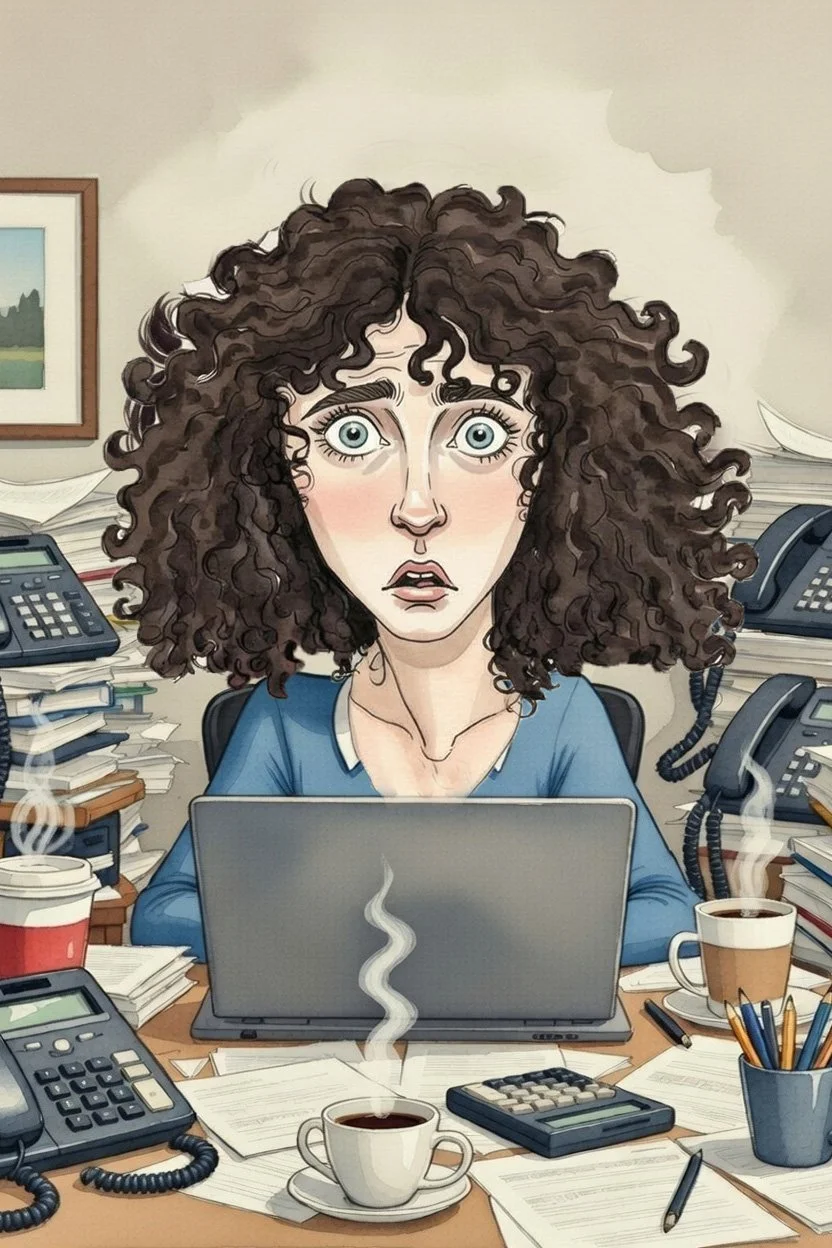
This is the hour I have set aside to write that talk I’m supposed to be giving in London in March. Instead, I’m looking disconsolately at my inbox. There are fifteen emails to answer not including the ten left over from yesterday. The phone goes. The talk organiser is on the other end sounding flustered.

“That talk I booked you in for March?”

“Yes.”

“Actually, it’s the beginning of February. Will you have it written by that time?”

I switch to my word processor and look at the blank page. The cursor winks at me malevolently.

“Lesley?” The organizer sounds nervous. “Are you still there?”

“Sure. No problem. I’ll be ready.”

The cursor is still winking. Tentatively, I type: Ladies and gentlemen—

The phone rings again. This time it’s Jim our Marketing Manager. “Have you sent out that proposal?”

“Not yet. I’m working on it.”

He sees through me. “You don’t know which proposal I’m talking about.”

I don’t, and he reminds me that I need to send out our application to participate in a major book festival. I promise I will get right on it and put the phone down. Part of my reluctance stems from the ‘celebrity culture’ which as infected so many literary events. The need to bring in ‘big names’ is stifling the voices of new authors in a constant chicken or egg situation. You need be known to get publicity. You need publicity to be known. I have a feeling I will be returning to this theme. In the meantime, I delete Ladies and gentlemen and type: It is my great pleasure—The phone rings again.

This time it’s an author having a meltdown about the layout of his manuscript. Apparently everything is double-spaced and there are ugly section breaks. I calm him down and explain that this isn’t a typeset galley, but an early proof for him to check typos. I put the phone down, delete It is my great pleasure and type: Thank you—

The phone rings. This time it’s Wendy our administrator and all-round organizer of the many finer details that yours truly forgets.

“You haven’t got back to me with a decision about reordering.”

“That’s true.”

“Have you taken a decision yet?”

“No, but I’m working on it. I’ll get back you.”

“When?”

“Soon.”

“You said that yesterday.”

“Today. I promise. As soon as I finish writing this talk.”

I say goodbye and waste several minutes wondering if it would be unethical to switch my phone off for the rest of the day. I check my emails. There are now twenty-eight emails to answer. Back at the word processor I type: Ladies and gentlem— before remembering I already deleted that opening and delete it again. The doorbell rings.

This time it’s a large delivery of books. I attack the parcel, which is bound up more tightly than the corpse of King Tut, with a large kitchen knife, managing in the process to cut open my thumb. Staunching the wound with a mostly unused tissue found in the recesses of my pocket, I inspect the books. The cover is squint. Time to phone the printers in a panic.

Back in front of my laptop, I type: What an honour— The phone rings again. It’s the organizer of the talk. Apparently, there’s been a mistake and my talk is back on in March. He apologizes for any inconvenience. I make the gracious sounds of one, who was ready and eager to give a talk at a moment’s notice. I put the phone down and wonder if I might get some of the emails answered. There are now over fifty. I decide to drown my panic in a cup of coffee: my sixth this morning.

As I watch the coffee machine in a kind of frenzied daze, I remember how the other day a friend of mine was playing a game of, What would you say if a doctor told you, you only had an hour to live?  Most of the people in the group answered predictably: spend the hour in bed/call my girlfriend/get drunk, and one pathetic soul answered: finish my D&D campaign. My answer came easily:

“What’s that doc? Sorry. I’ve got a lot on today. How about I schedule being terminal for next Thursday?...No, wait. Thursday’s booked too. Let me get back to you.”

The best of times...

The best thing about being a publisher? You get to give people the greatest day of their life. Tell someone that you are going to publish their book and you know this is the best day they’ve ever had. Better than sex. Better than the day they got married. Better than kids or winning the lottery or discovering your birth certificate is wrong and you’re actually a year younger. It’s the happiest day of their life and you got to give it to them, like a fairy godmother minus all the hassle with pumpkins and singing rodents in possession of unfeasible tailoring skills.

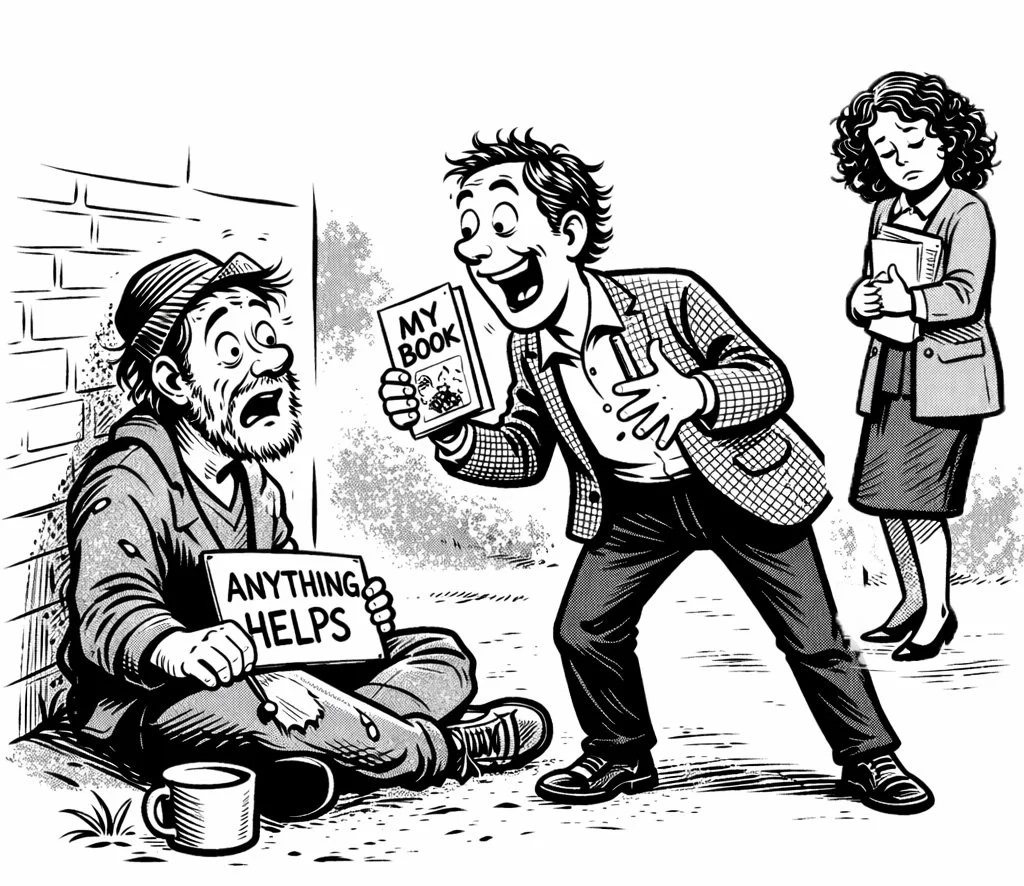
On the rare occasions when I get to have lunch with an author, they inevitably drag me up to introduce me to someone as their publisher. The someone doesn’t matter. I have been introduced to family members, colleagues, waiters, the doorman and even a Big Issue seller. During the introduction I glow modestly in the background while my author shines like an over-excited supernova. I am happy for them. It makes everything worthwhile.

And so we begin...

There is a graveyard in Inverness where impressive marble and granite graves jostle for prominence beneath evergreen conifers and stately oaks. The dead are carefully labelled here: blacksmiths, plumbers, merchants—lives chiselled into stone and set in orderly rows. At one end rises a wooded drumlin, Tomnahurich, the Hill of the Yew Trees, a place steeped in stories of fairies and seers and where there was talk of filming The Private Life Of Sherlock Holmes. Climb it and the city opens out below you, crowned by a tall war memorial to the soldiers and sailors lost in the First World War.

What you are unlikely to notice, though, tucked away among the elaborate obelisks and sad-faced angels, is a pair of sticks lashed together to form a crude cross. It marks the resting place of Alexander MacKenzie, the Inverness publisher. I came across this rather disappointing tribute to publishing many years ago.

I should have been warned.